
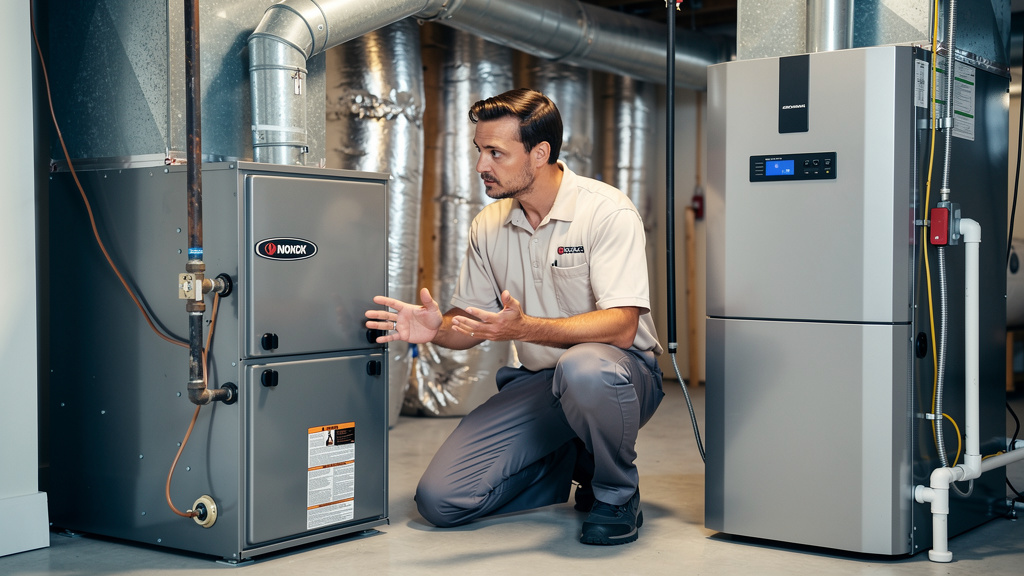
Explore the key differences between gas and electric furnaces to make an informed choice for your Burnaby home heating needs.
When it comes to heating your home in Burnaby, choosing the right furnace is crucial for both comfort and energy efficiency. The debate between gas vs electric furnace systems is ongoing, and each option has its own set of advantages and disadvantages. This blog post aims to explore the key differences between gas and electric furnaces, helping you make an informed decision for your heating needs.
Understanding the Basics of Gas and Electric Furnaces
Before diving into the detailed comparison, it’s important to understand how each type of furnace operates. A gas furnace uses natural gas as its primary fuel source, igniting it to create heat. This hot air is then circulated through your home using ductwork. On the other hand, an electric furnace relies on electric heating elements to generate warmth, delivering heat through a blower fan.
Efficiency and Operating Costs
When considering gas vs electric furnace options, efficiency is a top concern. Gas furnaces generally have higher efficiency ratings compared to electric models, often exceeding 90% Annual Fuel Utilization Efficiency (AFUE). However, the cost of natural gas can fluctuate, making long-term expenses variable. In contrast, electric furnaces are typically less efficient but can be cheaper to install. However, electricity rates can lead to higher monthly utility bills, especially in colder months.
Installation and Maintenance
Installation requirements also vary significantly between the two types of furnaces. A gas furnace installation often requires venting and gas line connections, which can add to initial costs. Electric furnaces are easier to install and typically require less complex ductwork. In terms of maintenance, gas furnaces need regular inspections to ensure safety and efficiency, while electric models require less frequent maintenance. For detailed maintenance tips, check out our article on Gas Furnace Maintenance Tips for Burnaby Homes.
Environmental Impact
Another crucial aspect to consider in the gas vs electric furnace debate is environmental impact. Gas furnaces emit carbon dioxide and other pollutants, contributing to greenhouse gas emissions. Electric furnaces, while cleaner at the point of use, depend on how the electricity is generated. If your electricity comes from renewable sources, an electric furnace may be the more environmentally friendly choice. In Burnaby, local initiatives are encouraging greener energy solutions, making electric options more appealing.
Safety Considerations
Safety is paramount when selecting a heating system. Gas furnaces can pose risks such as gas leaks and carbon monoxide poisoning, which necessitate proper ventilation and regular safety checks. Electric furnaces, while generally safer, can still present hazards such as electrical fires if not properly maintained. Regular inspections and utilizing professional services, such as our Furnace Services, can help mitigate these risks.
Conclusion: Making the Right Choice for Your Home
In the end, the decision between a gas vs electric furnace ultimately comes down to your specific needs, budget, and environmental preferences. If you prioritize efficiency and lower operating costs, a gas furnace may be the better option. However, if you are looking for ease of installation and maintenance, an electric furnace could be the way to go. For further insights into gas furnace performance, you can refer to our articles on Common Gas Furnace Problems and Solutions and Gas Furnace Repair Costs in Burnaby. Don’t hesitate to reach out to Atmosphere Furnace Repair Burnaby for professional guidance in choosing the perfect furnace for your home.