
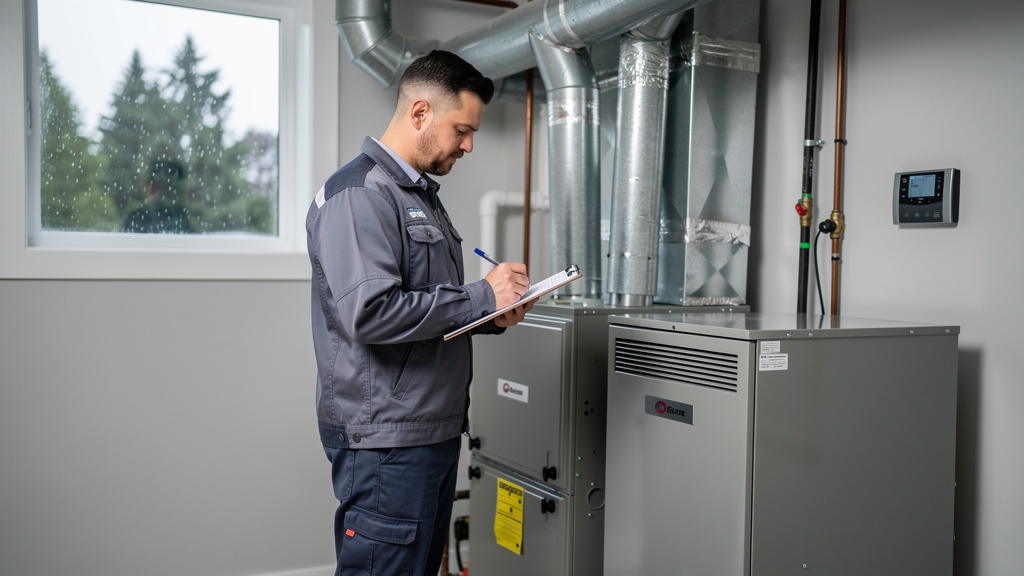
Explore the cost differences between running gas and electric furnaces in Burnaby, factoring in local climate and efficiency standards.
Key Takeaways
- Gas furnaces generally have lower operational costs than electric furnaces in Burnaby, but upfront costs and maintenance can vary.
- Burnaby's wet winters increase heating demands, affecting furnace efficiency and costs.
- Electric furnaces offer a safer, quieter operation but can be more costly due to BC Hydro rates.
- Understanding local building codes and efficiency standards is crucial for optimal furnace performance.
Introduction to Furnace Costs in Burnaby
In our 20+ years of servicing Burnaby homes, we've encountered a wide range of furnace systems and the challenges they present. Homeowners often ask us about the cost of running gas versus electric furnaces in Burnaby, a question that doesn't have a one-size-fits-all answer. The cost differences can be influenced by factors such as fuel prices, furnace efficiency, and local climate conditions.
The Influence of Burnaby's Climate on Furnace Costs
Burnaby's climate, characterized by wet winters and moderate seasonal temperature swings, significantly impacts heating requirements. In neighborhoods like Capitol Hill and Brentwood Park, homes built in the mid-20th century often have older insulation standards, leading to higher heating demands. As a result, the choice between gas and electric furnaces can greatly affect utility bills.
Understanding the Operational Costs of Gas Furnaces
Gas furnaces are popular in Burnaby due to their efficiency and lower fuel costs compared to electricity. Natural gas prices in British Columbia have remained relatively stable, with the average cost per gigajoule at approximately $11. However, the overall cost to run a gas furnace also depends on the furnace's efficiency, typically measured by its AFUE (Annual Fuel Utilization Efficiency) rating. A high-efficiency model with a 95% AFUE rating will convert 95% of the gas into heat.
Operational Costs of Electric Furnaces in Burnaby
Electric furnaces, though less common, are chosen for their simplicity and ease of installation. However, the cost of electricity in Burnaby, supplied by BC Hydro, can make electric furnaces more expensive to operate. The average cost of electricity is approximately $0.11 per kWh. When comparing the costs, it's crucial to consider that electric furnaces are nearly 100% efficient, as all the electricity used is converted into heat.
Comparing Gas and Electric Furnace Costs
| Cost Factor | Gas Furnace | Electric Furnace |
|---|---|---|
| Fuel/Electricity Cost | $11 per GJ | $0.11 per kWh |
| Efficiency | 80-98% AFUE | 100% efficient |
| Average Annual Cost | $600-$1,200 | $800-$1,500 |
Additional Considerations: Installation and Maintenance Costs
Installation costs vary, with gas furnaces generally requiring more complex venting and gas line installations, potentially costing between $3,000 and $5,000. Electric furnaces, on the other hand, have simpler installation needs, costing around $2,000 to $4,000. Maintenance also differs; gas furnaces require annual checks for gas leaks and combustion issues, while electric furnaces mainly need periodic inspections of heating elements and electrical connections.
Local Regulations and Efficiency Standards
Adhering to the BC Building Code and CSA standards is essential when installing or upgrading furnaces in Burnaby. These regulations ensure safety and efficiency, which can impact long-term operational costs. For instance, a gas furnace must have proper venting and combustion air supply as per local codes, which can incur additional costs if not already in place.
Common Mistakes and How to Avoid Them
One common mistake we see in Burnaby is homeowners opting for oversized furnaces, thinking bigger is better. This often leads to increased operational costs and reduced comfort. Proper sizing, considering Burnaby's specific climate and home insulation, is crucial and best determined by a professional assessment.
Key Questions to Ask Your Contractor
- What is the expected annual cost difference between gas and electric furnaces for my home?
- How do Burnaby's local building codes affect furnace installation costs?
- What efficiency rating should I look for considering my home's insulation and size?
- Can you provide a detailed breakdown of installation and maintenance costs?
FAQ
How does Burnaby's climate affect furnace efficiency?
Burnaby's wet and cold winters increase heating demands, making high-efficiency furnaces more cost-effective over time.
What are the main advantages of electric furnaces in Burnaby?
Electric furnaces are safer, quieter, and require less maintenance, though they can be more expensive due to electricity costs.
Why might a gas furnace be more cost-effective in the long run?
Lower natural gas prices and higher efficiency ratings often make gas furnaces more economical over time despite higher installation costs.
When should I consider upgrading my furnace?
If your current furnace is over 15 years old or requires frequent repairs, upgrading to a more efficient model could reduce operational costs and improve comfort.
Conclusion
Deciding between gas and electric furnaces in Burnaby requires a thorough understanding of both initial and operational costs, informed by local climate considerations and building regulations. At Atmosphere Furnace Repair Burnaby, we provide expert guidance tailored to your specific needs, ensuring you choose the most cost-effective and efficient heating solution for your home. For personalized advice and professional furnace services, contact us at [Your Phone Number].